Hello Don,
1. Can you give me a brief description of yourself, such as where you reside and what you do when you’re not creating music?
Don
Though born in New Jersey, we moved to Boca Raton in 1968 where I went to high school. My wife and I lived in Delray Beach for over thirty years before moving up to Jensen Beach three years ago. I still have a business wholesaling Dive products, and watersports and the ocean have been a constant in my life as far back as I can remember. Florida’s environment, history and current challenges have figured in both my acoustic and electric works.
2. Tell us about your childhood. Was your family musical?
Don
Music was always present in our home. Though not a musician, my dad had a lovely singing voice. My cousin Bobby played drums and made good money weekends in polka bands, and his sister played the accordion. That potential income stream had something to do with my older brother getting accordion lessons and drum lessons for 8 year old me, lol. We had a very nice console music center and piles of LPs my dad collected in many genres.
3. What band or artist made you stop and say, “Wow, that’s what I want to do when I grow up”?
Don
I was 6 years old when we got a tape recorder and began taping music off the radio, then starting to buy 45s and 99 cent LPs, but no one single artist stands out. As a teenager CSN made a big impression, and while a freshman at the University of Florida I saw Manassas in concert at Florida Field, and that performance had the kind of impact you are asking about.
4. What was your first instrument, and why did you choose it?
Don
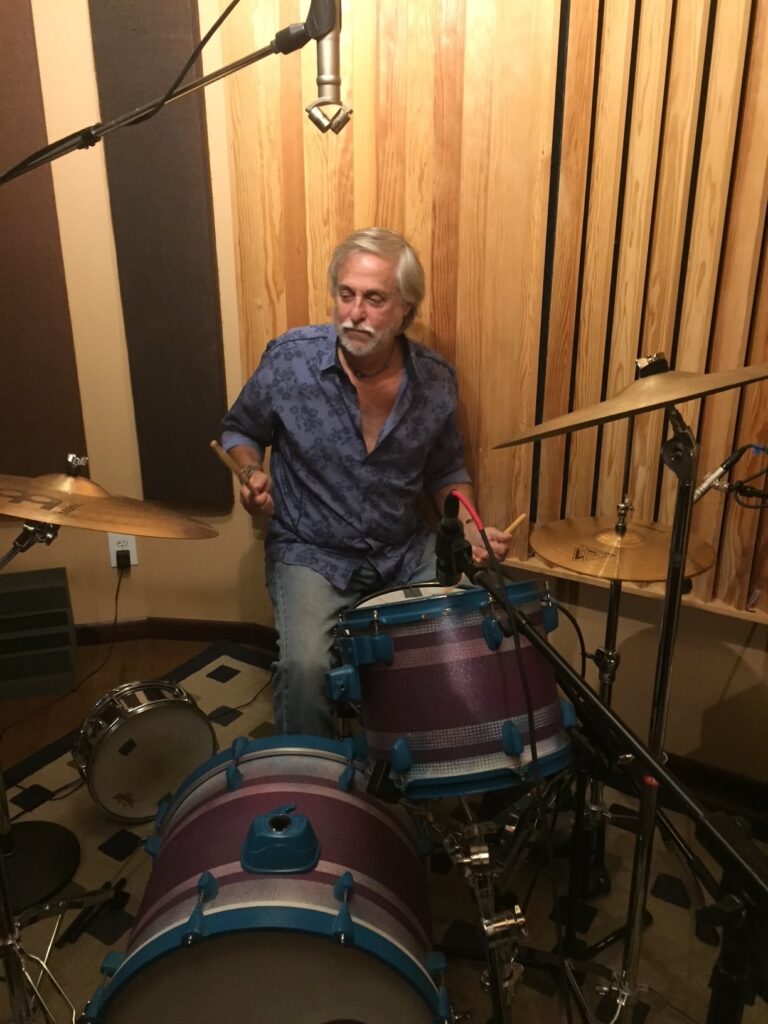
I wanted to play the drums like my cousin in the worst way. My mom didn’t want all that banging in the house so I found myself with a nice Goya classical guitar and a few lessons until my whining about how my fingers hurt paid off and she relented. I took lessons on a rubber pad though for a year and a half before I had an actual drum set – I had a stage set up in the basement just below the living room stereo – put on a record, run downstairs and play the drums to it!
5. Were you in a school band or a local band during your teenage years?
As you started developing your skills, did you perform with any school groups or neighborhood bands? What was the local music scene like at the time?
Don
I did not play in a school band. I made my first dollar at 12 playing a wedding with my brother on accordion. A real pro! In high school I played gigs with a guitar player and bass player, Beatles, a lot of CCR. Around that time if you couldn’t play the In a Gadda Da Vida drum solo, forget it. I didn’t have that many toms!
6. What was the name of that band?
Don
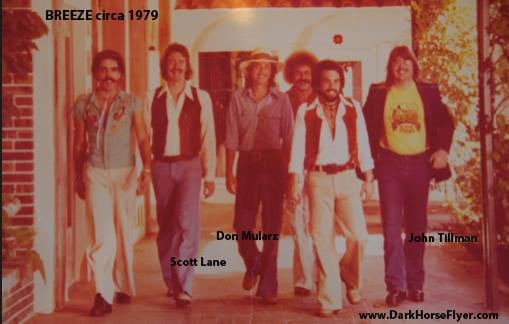
Though I was a drummer, I always had guitars. I made the switch to guitar at 19, after my year at U of F. I had musical ideas and realized writing songs and singing them solo on the drums was pretty limiting. I was writing songs that were mostly acoustic, Stills and James Taylor were big influences, and Jimmy Buffett’s early music. I met long time friend and partner Scott Lane in the early 70s, and we played out as a duo, Mason Lane Band. Later when we added players, we called it Breeze.
7. Did you compose any music during those years that later evolved into future recordings?
Don
Well, a good song is a good song. There’s material from 5 decades scattered across all my recordings, including songs I wrote in the beginning. I don’t record just the last ten songs I wrote, I try to choose songs that work together as a whole listening experience. That’s how I still listen, even if the world has moved on from that concept.
8. What was the name of the first professional band you recorded with?
Don
As Breeze we recorded the album Last Mango In Paradise at a state of the art studio in Ft. Lauderdale in 1978-79 – Neil Young recorded much of Comes A Time there. We called our music Tropic Rock, plenty of more Southern Rock on the album as well. Long sad story, the gist is, it was never released and the masters were lost. We did record new versions of three of those songs on the Dark Horse Flyer albums, after all Scott and John Tillman and I all played on the Breeze album.
9. Tell us about the band. I see some of your releases were on independent labels like Blue Water and Florida Street. Can you tell us about those experiences?
DON
Simply, those are both DIY labels we created for business purposes, so they were just vehicles for releasing the music. PeacockSunrise Records is the first record label captained by someone other than myself, and Florida Street is a PSR release. I imagine you’ve heard of it?
10. Was Radio Hearts your first official release?
Don
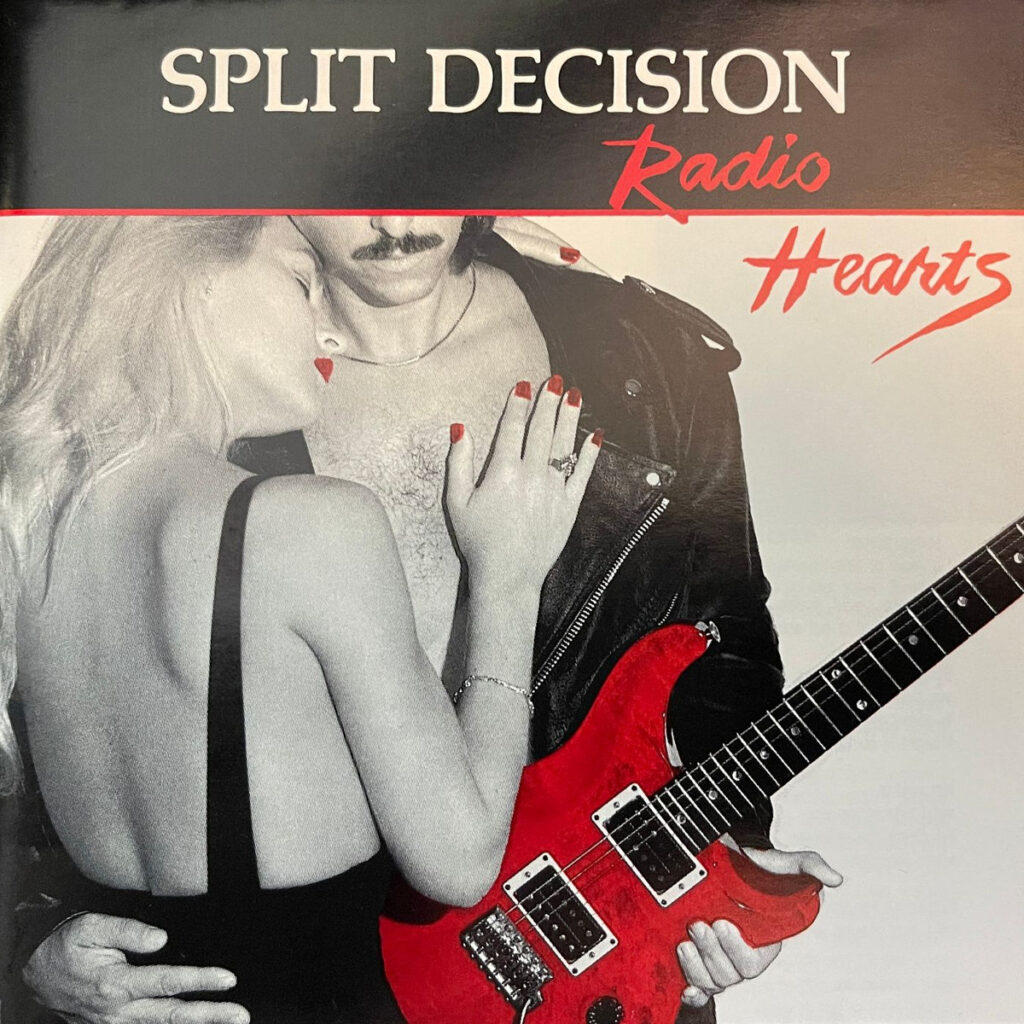
That would be the first album actually released in a physical form, my Breeze album never was. We started to record that in 1985 and it took about 6 years to come to fruition. Local bands at that time rarely did a CD, cassettes were the norm. Split Decision just booked weekend gigs in South Florida, we played about two thirds covers and the rest originals. Played some bigger venues as well.
11. When was it released?
Don
The cassette version in 1990. I recorded three more songs to add to the CD version, which came out the end of 1991. Just around that time Grunge became the rage, which we were not, lol.
12. Describe the feeling of releasing your first album.
DON
Radio Hearts was a 6 year labor of love, so the only thing better would have been holding a 12” vinyl record in our hands – since that is still what “feels like a record” to me, what it was growing up.
13. I assume these albums were available during live performances?
DON
We did sell albums at gigs, and stores like Peaches on consignment, a little mail order.
14. Who was in the band, and how did you all meet?
DON
Drums – Paul Blanchard, Keyboards – Olie Olsen, Bass – Floyd Humphreys, Guitar – Don Mularz. The other guys had all played together in various bands as teenagers in the 60s and some years later, venues and festivals mostly in Florida. They reconnected again in the early 80s and put an ad in Rag Magazine which I saw and called Floyd, who kind of blew me off as too acoustic for them, which ticked me off and I called again and we got together. The rest is history? Olie had a good riff he’d had for years and I fleshed it out into Mission Blues, and from there it all just clicked. Friends for over forty years now and still get together time to time.
15. Did you tour locally, nationally, or beyond?
DON
Just local South Florida to the Keys. Everyone had non-music careers or businesses that had to take priority over performances.
16. What eventually happened to the band?
DON
While we had material for more albums, we did not have the finances, and eventually too many demands on time and effort to play out. We continued to play together often, less after a member moved out of state.
17. You returned in 2015 with a new band, DHF.
DON
I never stopped writing and playing, and had begun work on what would end up as Florida Street shortly after releasing Radio Hearts. All with the four of us in Split Decision, but I did not have the budget to continue. I don’t consider I ever had to “return” to music, but I was not performing out. In 2010 Scott from the Breeze days wanted to have something like a Breeze reunion party, even fly a guest artist that played on the album all the way from France. I said why don’t we spend all that money and record something instead. I can be persuasive I guess. We got a hold of most of the guys from that recording and jammed.
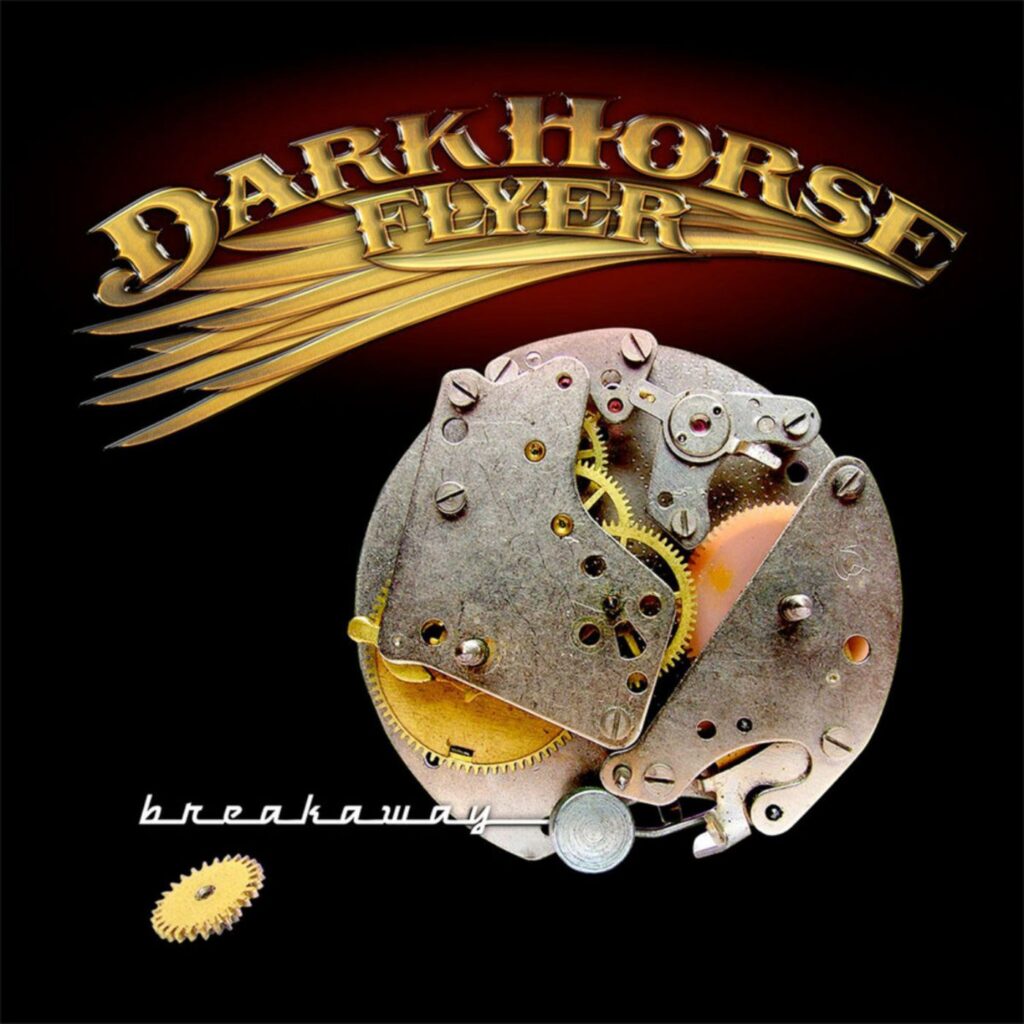
Four of us with a new bass player and drummer worked up what would be the first album, Breakaway, and we recorded that in 2013 over a number of months. We flew out to LA to have Bernie Grundman master it, and had a great album release party, which was very professionally filmed and recorded.
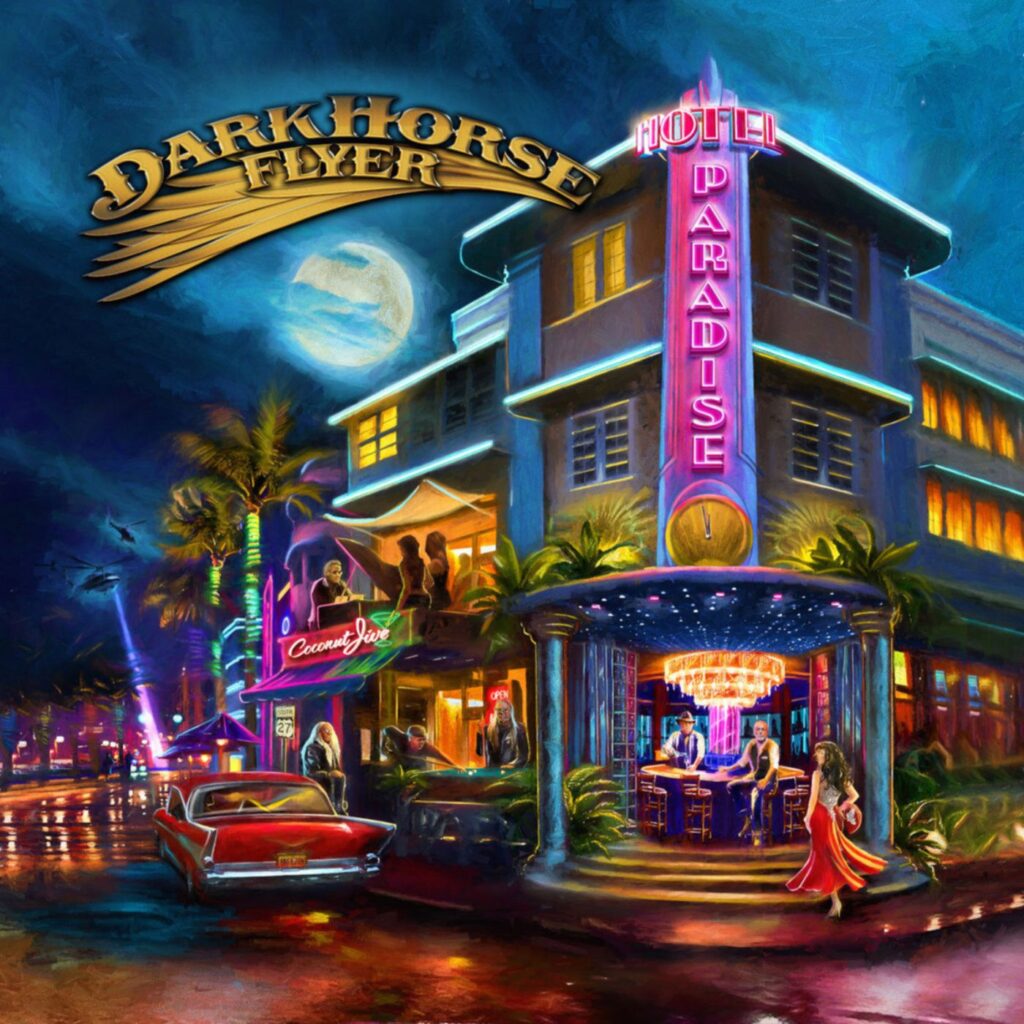
In October of 2015 we recorded Hotel Paradise in just seven days, in Upstate NY across the river from Woodstock.
18. Tell us about DHF. How many albums did the band release, and who was involved?
DON
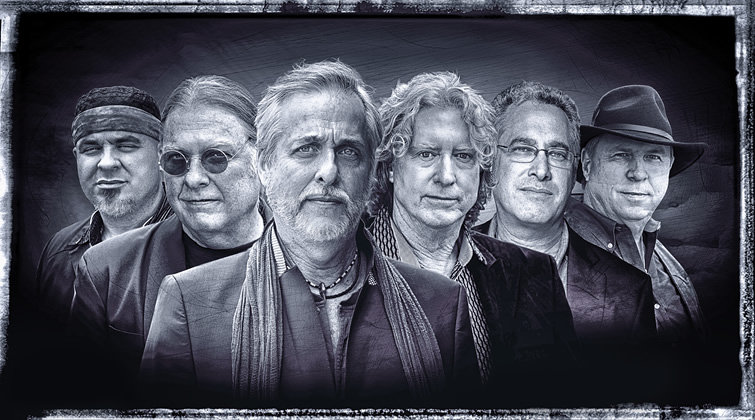
We were Scott Lane, myself and John Tillman, all from Breeze on guitars, and briefly a keyboard player from Breeze that left after a couple songs on Breakaway. Raul Hernandez on drums and percussion and Richard Taylor on bass. Several guests on keys before Bob Taylor came aboard to finish the album, and the six of us I named recorded Hotel Paradise. Both albums relate to artists that play Southern Rock, and artists like Little Feat, Clapton, Santana, Steely Dan and Dire Straits. Blues Rock with jazz and latin elements. Hotel Paradise has 3 and 4 part horns playing on a number of songs, so that took it in a little different direction. TAO of Blues that I’m working on at present is more stripped down Blues Rock.
19. Nine years passed between Hotel Paradise and your new solo release. Why such a long gap?
Don
Covid cost me about 2 years! It was also recorded in two hour bits over time when time and money permitted it. Even though it’s mostly acoustic, between all the instruments, I play on about 50 tracks. Then a lot went into getting the artwork the way I wanted it, mixing, then mastering.
20. Why did you decide to make an acoustic solo album?
Don
Dark Horse Flyer is a bad ass six piece rocking band. I thought for one it would be self indulgent to put a solo guitar and vocal track on an album where you have such talented musicians to work with and plenty of material for them to shine on. The songs on Florida Street don’t really fit those albums, though in fact, two songs I had started on in the 90s for Florida Street are on Hotel Paradise as electric versions. It’s also a journey back to the beginning musically, there are songs on it written in the 70s and 80s, the 90s, but also as recently as the pandemic. All chosen for what I felt made a good album to listen to.
21. Who performed on this release?
Don
Bob Taylor from DHF plays the piano and organ, and engineered. Richard Taylor from DHF plays fretless bass on one track. Beth Cohen sings with me on three songs. I play about ten instruments and the vocals, in other words, everything else you hear.
22. Tell us about the album artwork for this release.
Don
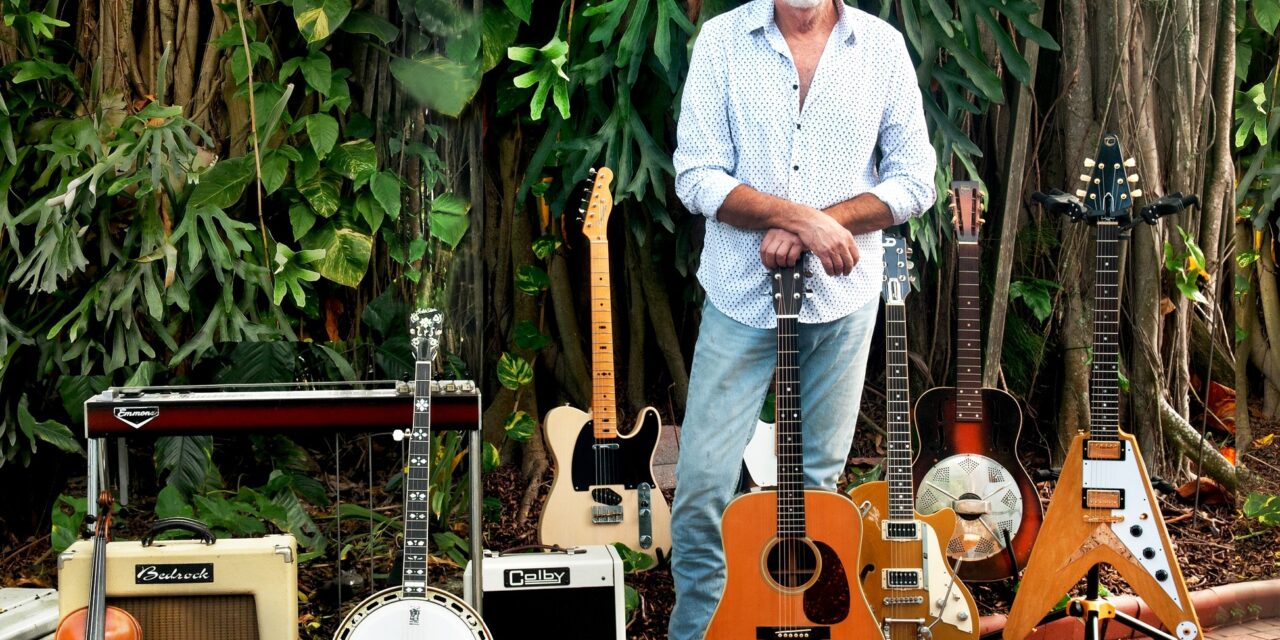
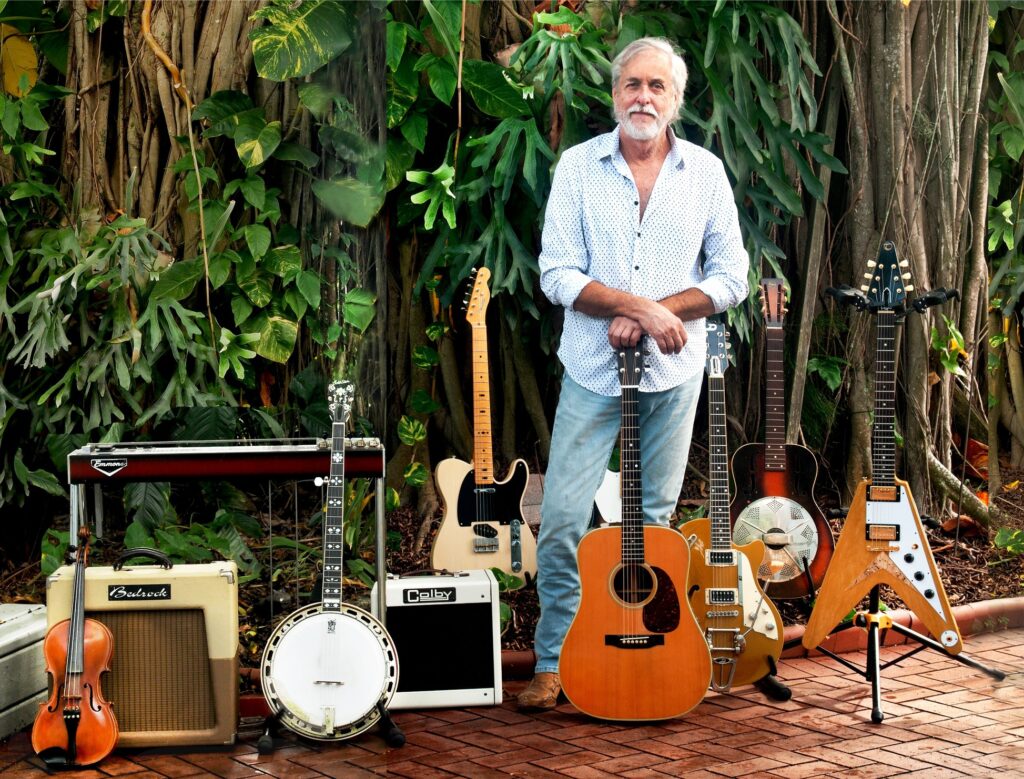
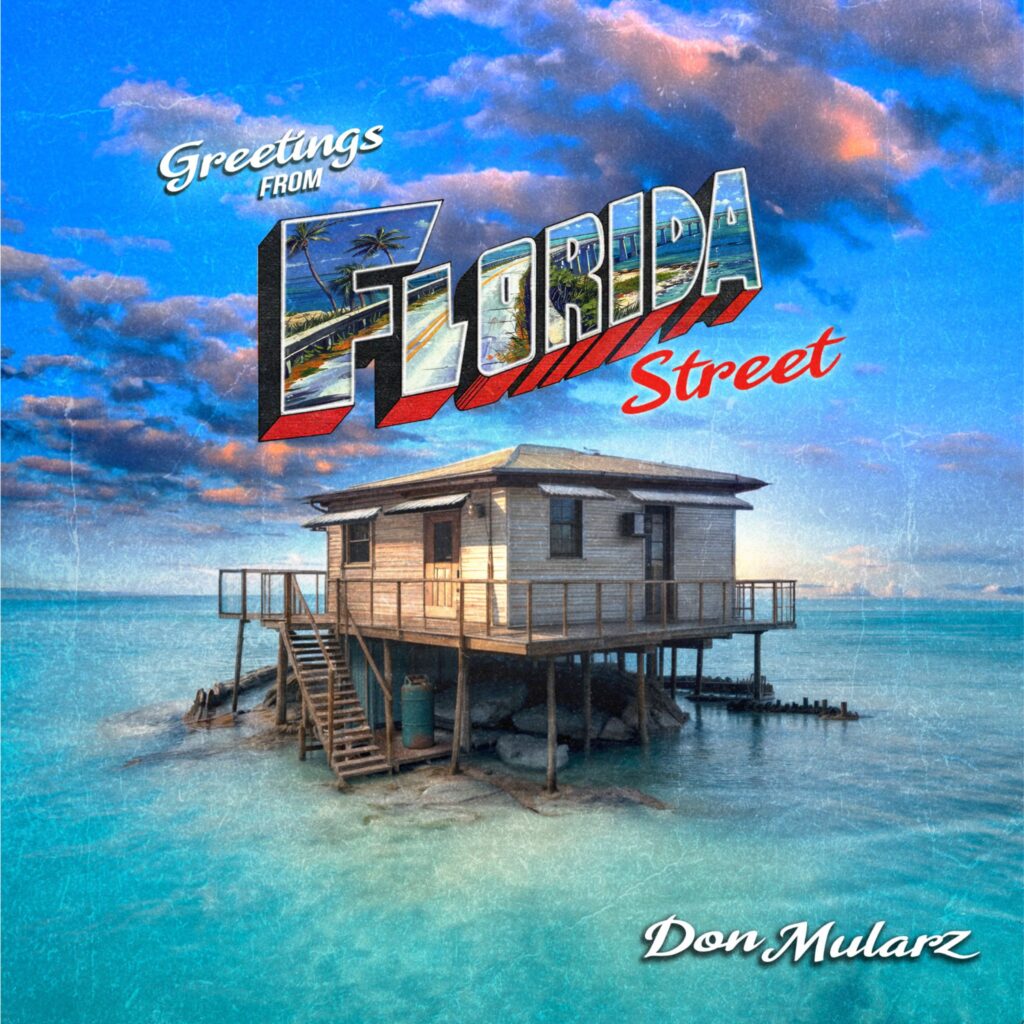
The concept is mine, then Steven Shepard, who also did the covers for both DHF albums adds his input and we go back and forth, so the final result is not exactly my original idea but let’s say an elevated version of it. I think is says Florida Street better than anything else could. It’s an idealized rendition of the stilt house I rented on Conch Key near Marathon when I went to the Keys on business 25 times a year for many years. I wrote some of the songs there. The picture on the actual CD is the real thing. The back cover is my giant ficus tree in Delray with most of the instruments I played in front of it.
23. I see the album was released through a small Florida label called PeacockSunrise Records. How did that partnership come together?
Don
The primary mover at PSR is Nick Katona. Nick came across the Breakaway album when it was released and tracked me down and began spinning it on his internet radio show. So between his support, friendship and encouragement, this just seemed the time to be a bit less DIY about things that are not really in my wheelhouse. My awesome Bandcamp page he put together is a good example.
24. The first single and video from the album was the self-titled track.
Don
I think it’s a powerful story in parts and also sums up much of my experience living in Florida for almost 60 years. That’s why it ends the album as well, not the beginning.
25. Can you tell us about the video?
Don
I wrote Florida Street in the 90s, yet what it conveys remains all too current today. Blake Carpenter did a great job matching photos to the stories in the lyrics.
26. Why did you choose this particular song as the first single and video?
Don
The album that I really felt an affinity to as I chose the songs to include on Florida Street was Neil Young’s Comes A Time – partly recorded at Triiad Studios while I was also recording the Breeze album at the time. I wanted some of the songs to have a male/female harmony like some songs on that album, and having sung with Beth Cohen on both DHF albums I thought we could capture a little of that Neil/Nicolette magic. I think we did and that was another factor in choosing it besides what I said in in response to the previous question.
27. Are there any plans for live performances in the near future
DON
We are exploring trying to put a Dark Horse Flyer performance together next fall, logistics are tough but I would include some Florida Street and some new DHF music from Tao Of Blues. I have yet to do an album release party for Florida Street, that would be great to do after the vinyl version is released.
28. Are you currently working on a follow-up release?
DON
There’s no rest for the wicked. Ten basic tracks for Tao Of Blues were recorded last year and I would like to proceed with that, as well as a few ideas I have cooking.
Where can people find you and buy your music?
Don Mularz Music on Facebook: https://www.facebook.com/donmularzmusic
Dark Horse Flyer on Facebook: https://www.facebook.com/darkhorseflyer
Bandcamp: https://donmularz.bandcamp.com
And all good streaming platforms.
Thank you for alowing us the opprotunity let us share with the world know more about you you, do you have any closing words
DON
To quote The Dead, “What a long strange trip it’s been” but that’s just so far – or, from Roadside Shrine – “No one knows just how their story ends” either way though, my musical journey is far from over.
– The ReZident