Instead of making discovery easy, labels and rights groups have spent decades blocking it.
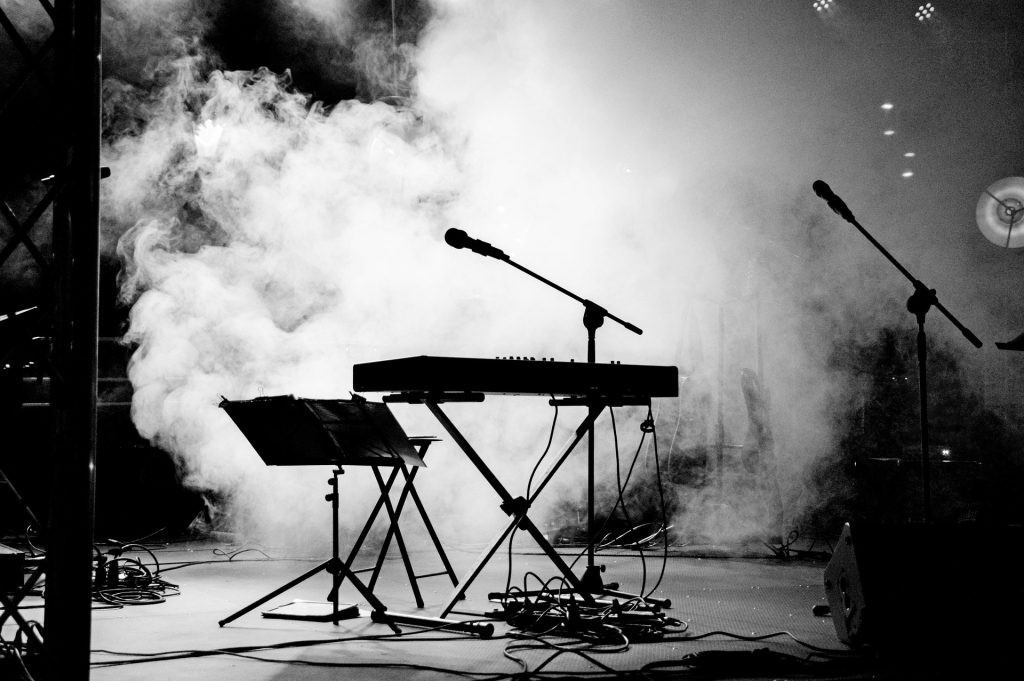
From my very first concert as a teenager, I noticed something odd: bands and record labels almost never sold music at shows. No vinyl, no cassettes, and decades later, still no CDs, just T-shirts, hats, the occasional bandana or tour program. Fans, buzzing with excitement, stood ready to buy the music they’d just heard, yet the industry ignored the most obvious impulse sale imaginable. Smaller acts eventually caught on in the 2000s, but for decades the majors left money on the table.
The same mistake has been repeated in movie theaters. How many times have audiences walked out humming a soundtrack, eager to buy it immediately, only to find nothing available in the lobby? That golden moment, when excitement is at its peak, was consistently squandered. By the time people got home, the urge had passed. Another sale lost. While some soundtracks now appear on digital platforms at the time of release, many listeners won’t think to hunt them down on their phones after discovering a song mid-scene.
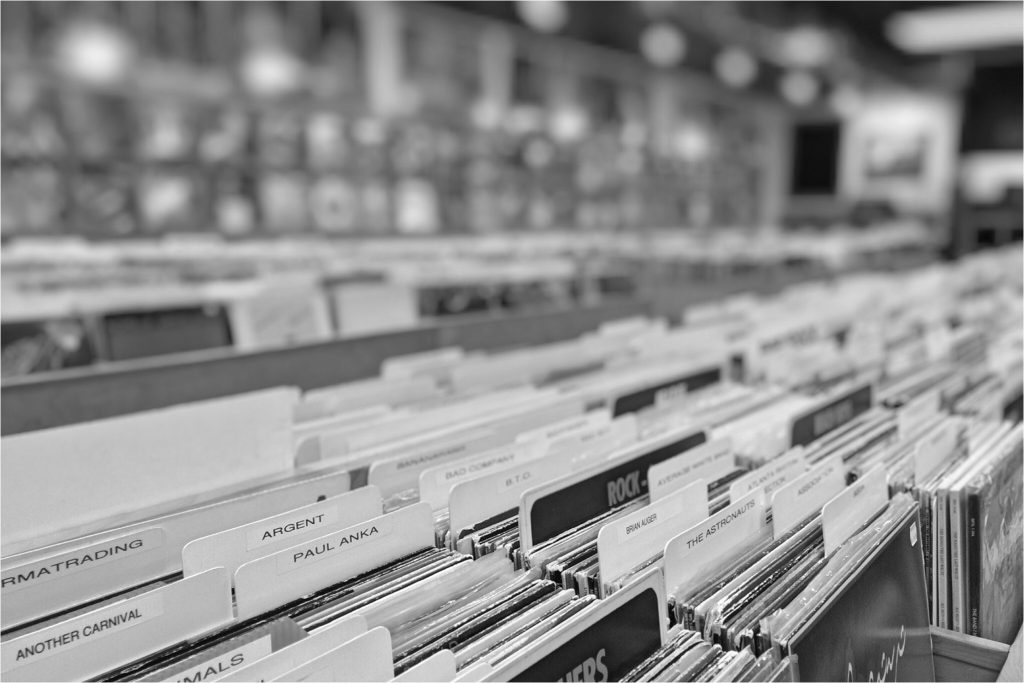
I saw firsthand how powerful this impulse could be. In the late 1970s, I worked at a record store inside a mall, just steps from a busy movie theater. Whenever a film let out, we’d put on its soundtrack, Grease, Sgt. Pepper’s, Xanadu, The Rocky Horror Picture Show. Within minutes, moviegoers walking by would recognize the music, drift into the store, and scoop up the album they’d just experienced on the big screen. Night after night, it worked like magic. It was so simple, it felt like printing money. The good news is that many acts now sell their latest releases alongside merch at concerts, but it took the industry decades to catch up.
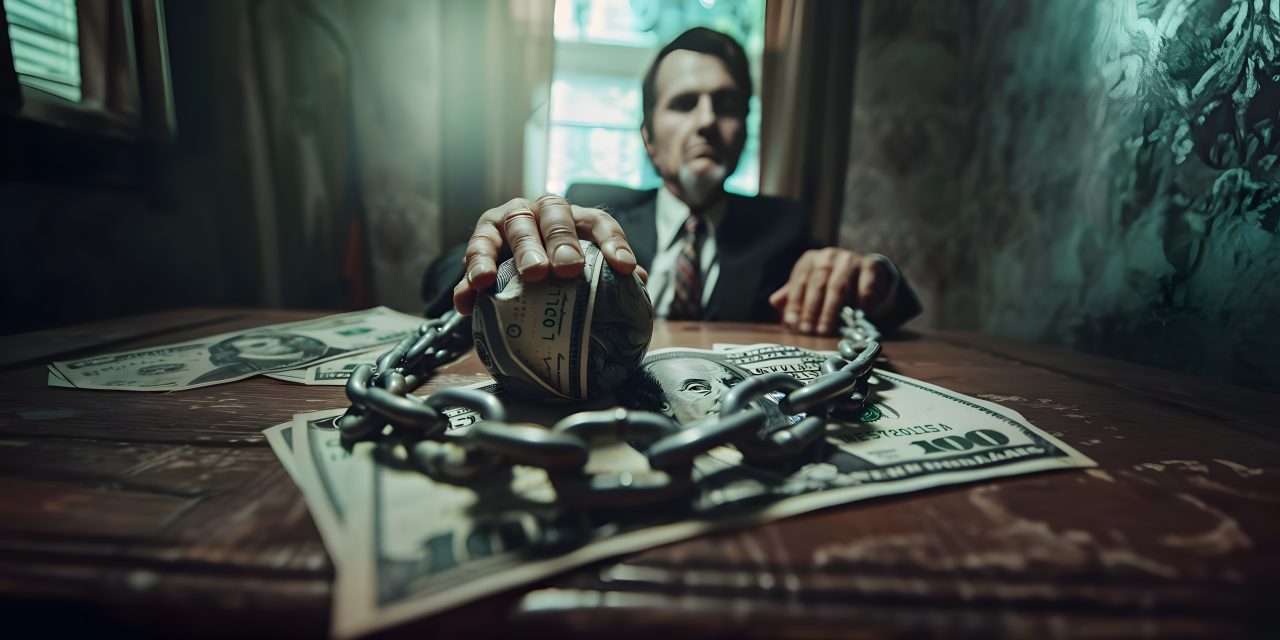
At the same time, record labels and performing rights organizations (PROs) such as ASCAP, BMI, and SESAC have held a tight grip on how music is distributed and heard in public spaces. I argue that while these measures were designed to protect artists and songwriters, they have often limited exposure and discouraged new audiences.
The truth is simple: people don’t buy music they never hear. Discovery fuels demand. The more barriers the industry erects, the fewer opportunities fans have to fall in love with a song in the first place. Until labels and rights organizations stop behaving like enforcers and start acting like promoters, they’ll keep missing the same thing they’ve been missing for decades: the moment of excitement and a possible sale.
In the mid-to-late 20th century, music was almost unavoidable. Songs poured from speakers in diners, sound systems in malls, and even bowling alleys. Those casual encounters often served as organic promotion, turning passive listeners into paying fans. Today, however, businesses must pay significant licensing fees to play recorded music in public, even when the radio stations providing that music already pay royalties. For smaller businesses, the cost can be prohibitive, leading many to stop playing music altogether.
The debate has only intensified in the digital age. YouTube creators, for example, have faced lawsuits and takedown notices for using just a few seconds of copyrighted music in interviews, commentary, or reviews. Labels argue that any unauthorized use undermines the value of intellectual property. I say that such restrictions stifle promotion, as creators who might otherwise introduce an artist to new audiences are deterred by the risk of legal action.
The copyright laws were written long before streaming and user-generated content existed, and enforcement strategies have not caught up or even adapted. “The law hasn’t caught up to the way people actually consume and share music today,” as a result, the industry often finds itself in conflict with fans and creators rather than working alongside them.
The larger question remains: where should the line be drawn between protecting artists’ rights and ensuring music remains accessible? Some industry veterans believe looser restrictions could revive the kind of spontaneous discovery that once defined the music experience. Others argue that without strict enforcement, artists and songwriters risk losing their livelihoods in a world where music is more abundant, and more easily copied, than ever before.
For now, the debate continues. But one thing is clear: the balance between protecting intellectual property and fostering musical discovery remains unresolved, leaving both creators and audiences navigating a system that too often turns potential opportunities into missed ones.